" Modernity in Interior Design "
Simplicity, Materials and Visual Identity
A modern interior is not simply a space filled with new products.
Modernity is also about how space, function, form, materials,
and visual relationships are approached.
Simplicity in Modern Design
Modern interiors often control unnecessary visual elements.
This does not mean that the room should be empty. It means that each element should have a clear visual or functional purpose.
The Role of Materials
Materials can become part of the visual language of a modern interior.
Wood introduces warmth, stone provides natural character, and metal can create a contemporary or industrial quality.
Combining materials can therefore add depth to an otherwise simple space.
Color in Modern Interiors
Neutral colors often provide a strong foundation for modern design.
However, a modern interior does not have to be entirely white or gray.
A carefully selected accent color or metallic element can introduce personality.
Art in Modern Spaces
When architecture is simple, artwork can become more visually significant.
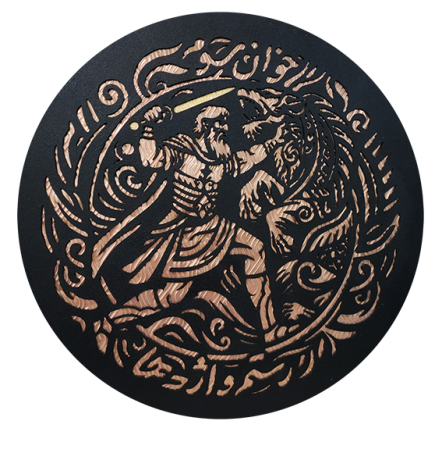
A decorative panel or artwork can serve as a focal point and help define the identity of the room.
In this context, art is not simply decoration; it becomes part of the interior design.
Copper and Gold in Modern Design
Warm metals such as copper and gold can create visual contrast against neutral backgrounds.
Using them selectively allows a space to remain contemporary while avoiding visual monotony.
Conclusion
Modernity in interior design is built around simplicity, function, proportion, and conscious material selection.
A contemporary interior can gain a distinctive identity through handcrafted artwork, copper surfaces, and carefully integrated gold details.

CONTACT US:
© All rights reserved.
FOLLOW US ON:


Arames Art Group